Okay, let’s be honest. When you hear about a new Ford engine production line popping up in Chennai, your first thought probably isn’t a wild surge of excitement. But here’s the thing: this isn’t just about nuts and bolts. This is about India’s growing manufacturing prowess, about 600+ families getting a stable income, and about Ford’s long-term bet on the Indian market. What fascinates me is what this investment signals for the future – not just for Ford, but for the entire automotive ecosystem here. Let’s dive in.
The ‘Why’ | More Than Just Engines, It’s a Strategic Play
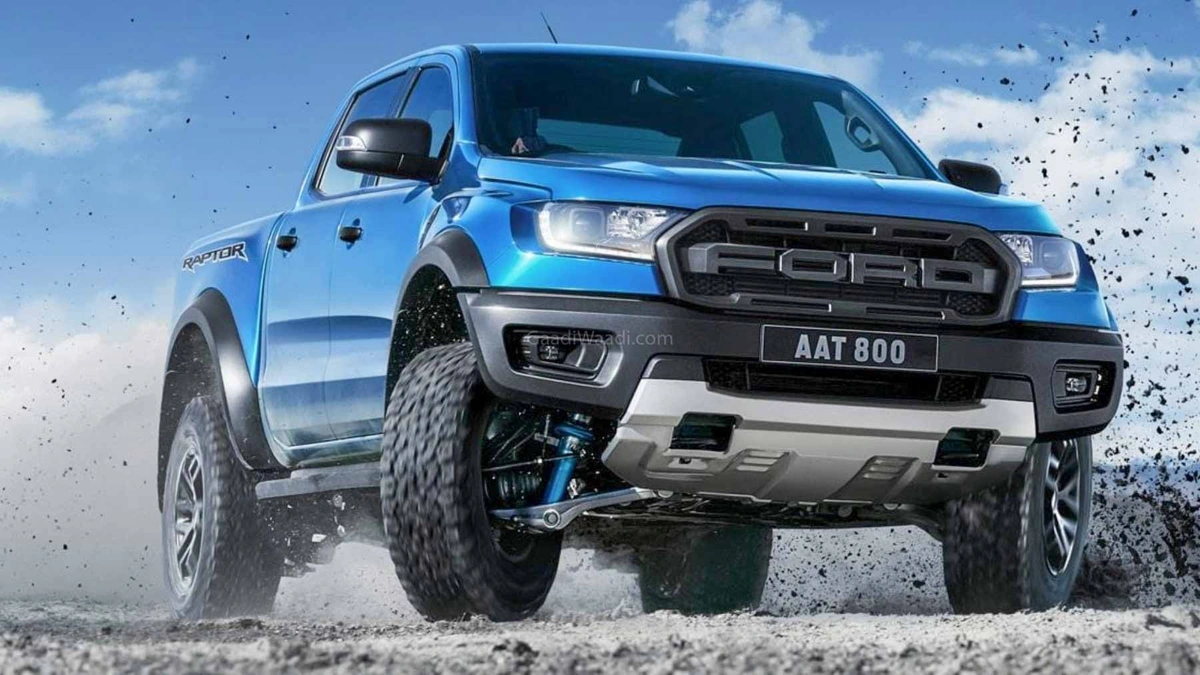
So, why Chennai? And why now? Chennai, often dubbed the “Detroit of India,” boasts a robust manufacturing base, a skilled workforce, and established supply chains. It’s a logical choice for any automaker looking to set up shop. But Ford’s Chennai plant isn’t exactly new news; it’s been a cornerstone of their Indian operations for years. This new engine production line, though, suggests a deeper commitment, and a pivot to focusing on exports and potentially new models designed with the Indian consumer in mind.
Here’s where the analyst hat comes on. Ford has been facing challenges in the Indian market, struggling to gain significant market share against established players like Maruti Suzuki and Hyundai. But, Ford’s dedication to Chennai indicates they are not giving up on India just yet. The new engine line could be a strategic move to leverage India’s cost competitiveness for global exports. Consider the bigger picture: global demand for fuel-efficient engines is rising. India can become a major hub for supplying these engines to Ford’s international markets. Think of it as Ford planting the seeds for future growth, even if the immediate harvest isn’t obvious.
The Jobs Angle | Real People, Real Impact
Let’s not get lost in corporate strategy without acknowledging the human element. Six hundred new jobs? That’s significant. These aren’t just numbers on a spreadsheet; these are real people getting a chance to build a better life for themselves and their families. What intrigues me is the ripple effect. Each of these jobs will support other local businesses, from suppliers to restaurants, creating a mini-economic boom in the area.
A common mistake I see people make is underestimating the impact of manufacturing jobs. They provide stable, well-paying employment, often with benefits and opportunities for skill development. This is crucial for a country like India, where job creation is a top priority. Automotive manufacturing jobs are especially important. I initially thought this was straight forward, but then I realized that this will have positive impact on the local economy.
Innovation and Future Tech | What Engines Tell Us About Ford’s Plans
Now, the juicy stuff. What kind of engines are we talking about? Are these the standard gasoline guzzlers, or are we seeing a push towards more fuel-efficient or even hybrid powertrains? The answer to that question reveals a lot about Ford’s future plans for India. If they’re investing in advanced engine technologies, it suggests they’re gearing up to meet stricter emissions standards and cater to a growing demand for eco-friendly vehicles.
What fascinates me is the potential for India to become a hub for automotive innovation. We have the talent, the resources, and the market. Ford’s investment could attract other players in the industry, leading to a wave of new technologies and manufacturing processes. Think of it as a catalyst for transforming India’s automotive sector into a global leader. For example, are they developing EcoBoost engines here? According to Wikipedia , these are smaller, turbocharged engines and represent the future of efficient combustion.
India’s Automotive Sector | Revving Up or Hitting a Speed Bump?
But — and it’s a big but — the Indian automotive market is facing some headwinds. Rising input costs, fluctuating fuel prices, and increased competition are all posing challenges. The success of Ford’s new engine production line will depend on how well they navigate these hurdles. Are they prepared to invest in R&D, to adapt to changing consumer preferences, and to compete on price? The answer will determine whether this investment pays off in the long run. One challenge for Ford is to produce engines that meetBS6 emission standards, or even be ready for the transition to electric vehicles.
Let me rephrase that for clarity: the global automotive industry is in a state of flux. Electric vehicles are gaining ground, autonomous driving is on the horizon, and consumer preferences are constantly evolving. Ford needs to be agile and adaptable to thrive in this environment. The new engine production line is a step in the right direction, but it’s just one piece of the puzzle. Check out this article about Amazon Layoffs 4 .
The Road Ahead | What to Watch For
So, what’s the takeaway? Ford’s new engine production line in Chennai is more than just a news item; it’s a strategic move with potentially far-reaching implications. It’s about job creation, economic growth, and India’s role in the global automotive industry. The key to Ford’s success lies in their ability to adapt, innovate, and compete in a rapidly changing market. And the one thing you absolutely must do is to keep an eye on the type of engine. Remember about Tata Jimmy absence .
What fascinates me is not whether Ford in Chennai will succeed success is never guaranteed but how they’ll adapt to new challenges. What kind of engines will they be producing? Will they focus on exports or the domestic market? Will they embrace electric vehicle technology? The answers to these questions will shape the future of Ford in India, and the future of India’s automotive industry as a whole.
FAQ Section
What type of engines will be produced in the new Chennai plant?
The specific engine types haven’t been officially announced, but industry speculation suggests they will be fuel-efficient gasoline engines, possibly including EcoBoost variants.
How will the new jobs impact the local economy?
The 600+ new jobs will create a ripple effect, supporting local businesses and boosting economic activity in the Chennai region.
Is this a sign that Ford is committed to the Indian market despite recent challenges?
Yes, the investment suggests a continued commitment, particularly towards leveraging India as an export hub and potentially developing models tailored for the Indian consumer.
Will the new engines meet the latest emission standards?
It’s highly likely that Ford will ensure the engines meet current and future emission standards in India and for export markets.
How does this affect Ford’s strategy of EV development?
Ford will have to balance internal combustion engines with EV development. So keep a close watch on that.